Where you stay is as important as the race itself, according to our friends at The Paddock Journal. They took a deep dive into how the modern Formula 1 experience has transformed accommodation from a necessity into a spectacle. And we’re proud to feature heavily. After our massive success in 2025, our 2026 Silverstone Hotel will be bigger and better.
The Paddock Journal Review
The sound of engines being tested echoes through the air. You’re sipping your morning coffee, not from a hotel room miles away, but trackside at Silverstone, watching racing cars warm up mere meters from where you slept. This isn’t a fantasy; it’s the new reality of Formula 1 hospitality, because where you stay has become just as crucial to the weekend experience as the race itself.
The Netflix Effect and a New Generation of Fans
The transformation of F1’s audience didn’t happen by accident. When Liberty Media acquired the sport and partnered with Netflix to create “Drive to Survive” in 2019, they fundamentally changed who watches Formula 1 and, more importantly, how they want to experience it.
The docuseries brought in over 360,000 new American viewers who had never watched F1 racing before, with the new fans skewing younger: 46% are aged 34 and under, compared to just 16% of traditional F1 viewers, and more diverse, with 23% Hispanic, compared to 12% of legacy fans. These aren’t your grandfather’s motorsport enthusiasts.
Mark Sorrill, founder of The Pop Up Hotel, has witnessed this shift firsthand. “The Formula 1 fan today is fundamentally different from even a few years ago,” he explains. “With more female and younger audiences and a growing passion for the sport, people do not just want to watch Formula 1 anymore, they want to live it.”
Perhaps most tellingly, these new fans are affluent. 69% earn over $100,000 annually compared to 49% of traditional F1 viewers, and they expect the same level of experience they’d find at world-class festivals or boutique hotels.

The End of Plastic Chairs and Warm Beer
The old model of F1 hospitality is dying. “The days of spending hours in queues, squeezing into overcrowded venues and accepting warm beers and plastic chairs are coming to an end,” says Sorrill. “Today’s guests arrive expecting the same level of experience they would find at a world-class festival or boutique hotel, and organisers are quickly adapting.”
The numbers tell the story of this transformation. Hotel rates in F1 host cities now surge by an average of 105% during race weekends compared to regular demand, with some locations seeing prices triple. In Monaco, room rates for race night have climbed from $2,122 in 2019 to $3,169 in 2024, a nearly 50% increase in just five years.
But it’s not just about higher prices. The entire concept of what constitutes F1 accommodation has been reimagined. Promoters have introduced new hospitality offerings, with trackside suites now standard at races popular with VIP buyers. At the same time, existing facilities like the Formula 1 Paddock Club have expanded to meet surging demand.
Inside the Circuit: A Revolutionary Concept
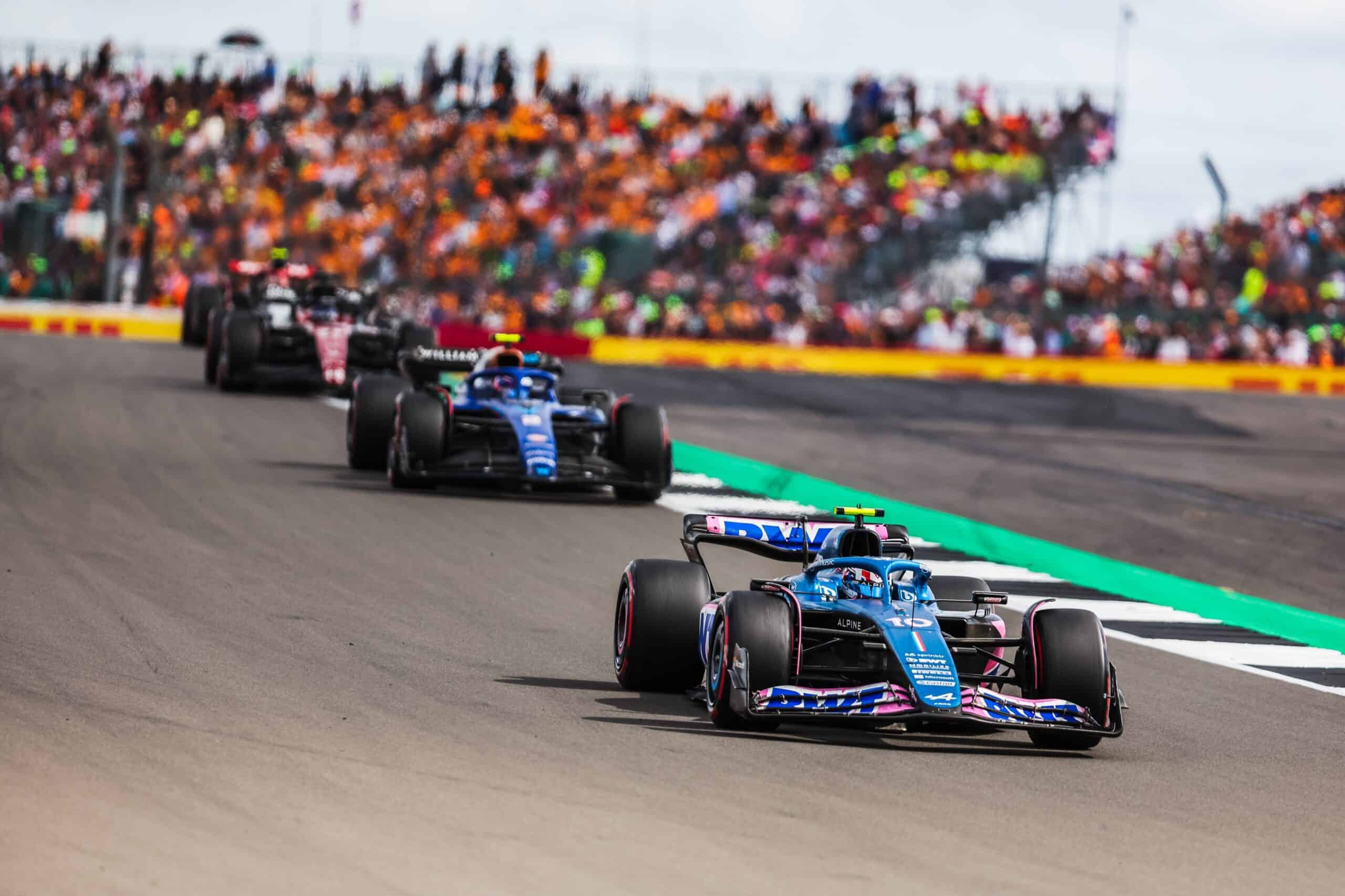
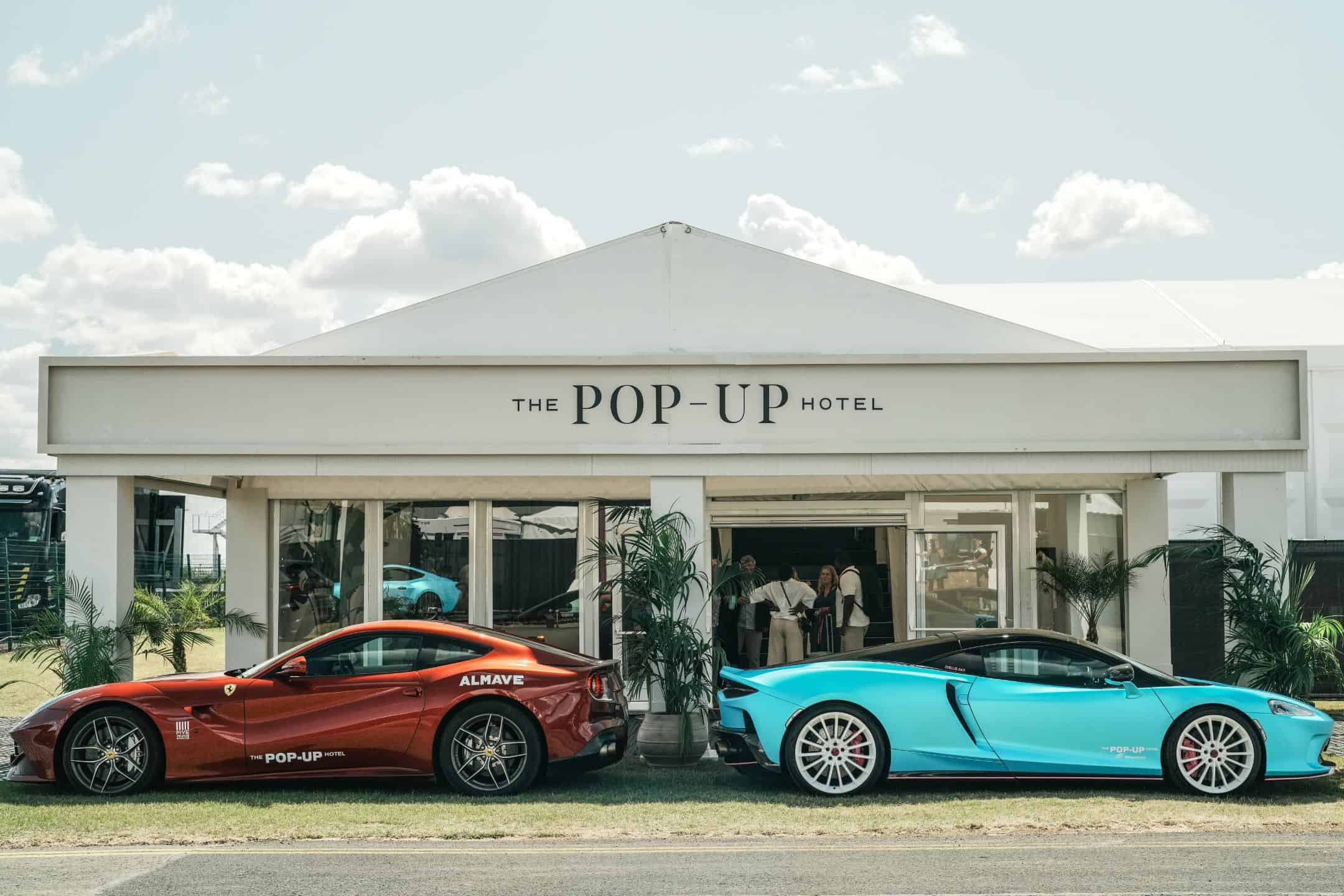
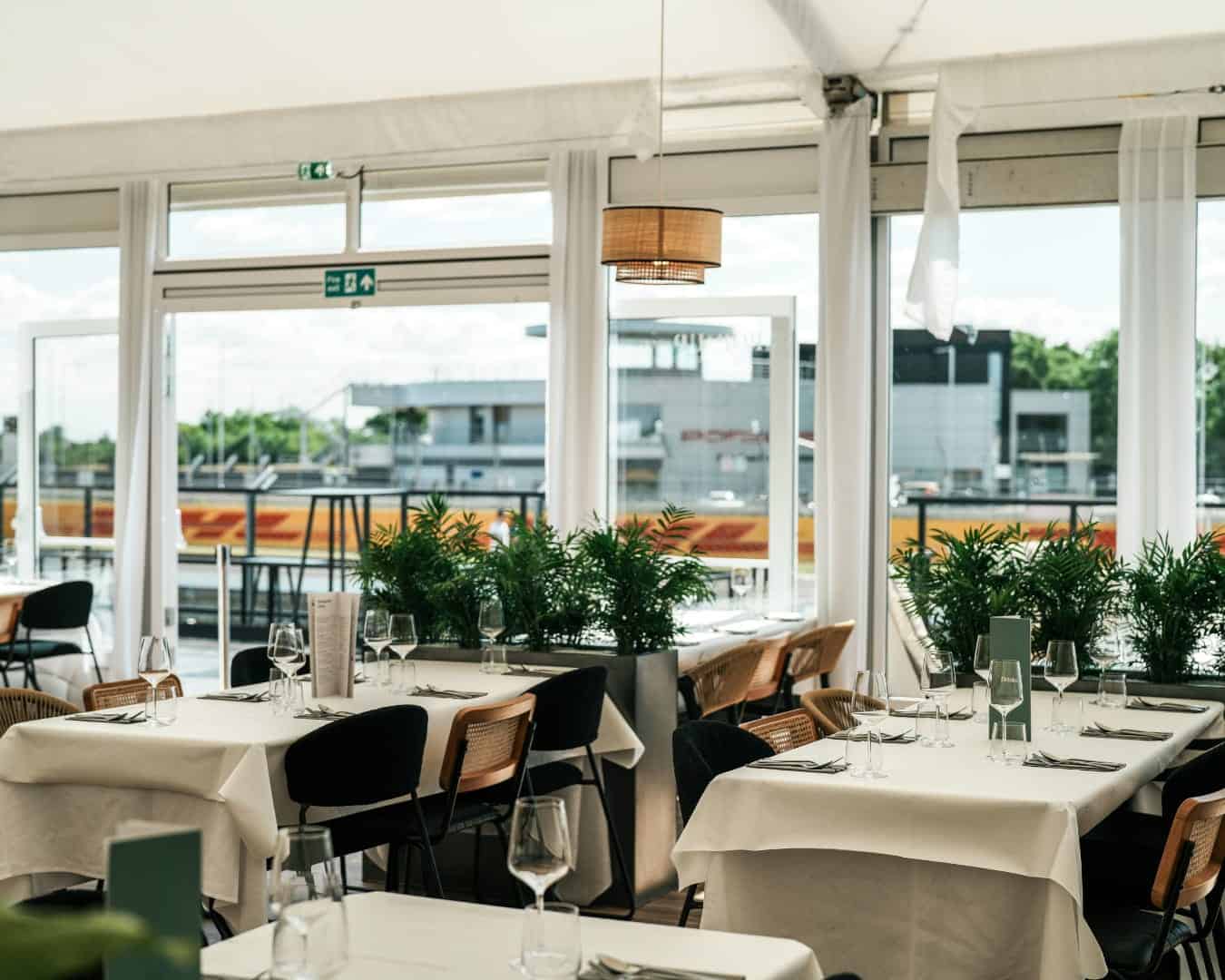
The most radical innovation? Staying inside the circuit itself. The Pop Up Hotel at Silverstone stands as the only inner-track overnight venue at the British Grand Prix, offering something previously unimaginable.
“It is pure magic,” Sorrill says. “You are not nearby. You are inside the circuit. Step out of your suite, and you are instantly in the heart of the action, the track already humming around you.”
The experience transforms the weekend from a series of events into one continuous immersion. Guests wake to the sound of support cars warming up, enjoy breakfast while watching track checks, and feel the teams preparing around them. “No traffic. No queues. No stress,” Sorrill notes. “The energy seeps into your morning before you have even brushed your teeth.”
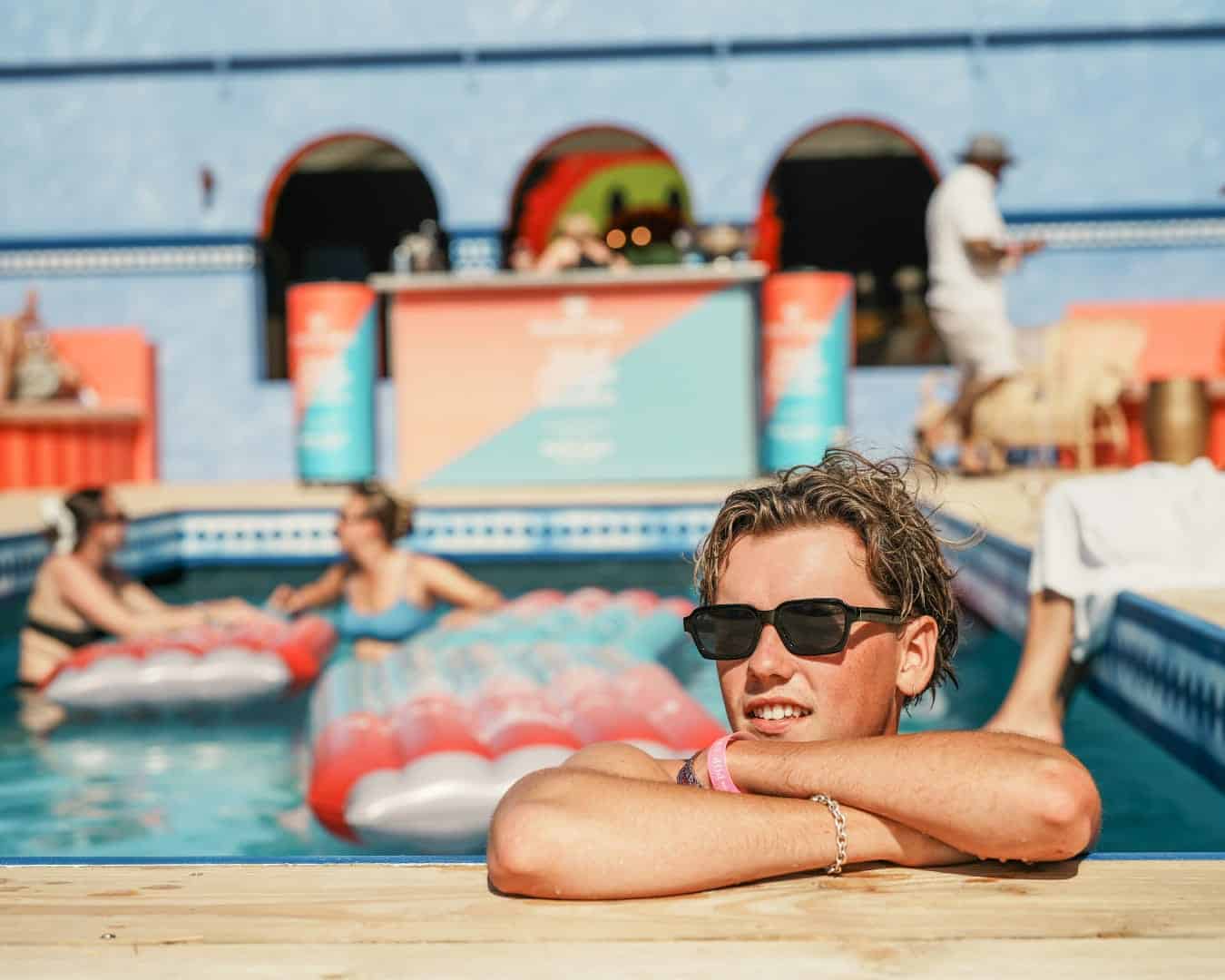
But the magic extends beyond convenience. “The most powerful aspect, and one we honestly did not expect to experience to this degree, is the camaraderie,” Sorrill reveals. “It becomes a genuine community. Strangers at check-in are quickly sharing tables at dinner and drinks by the pool as everyone connects over their shared passion for this incredible sport.”
The Monaco Model: Luxury Redefined
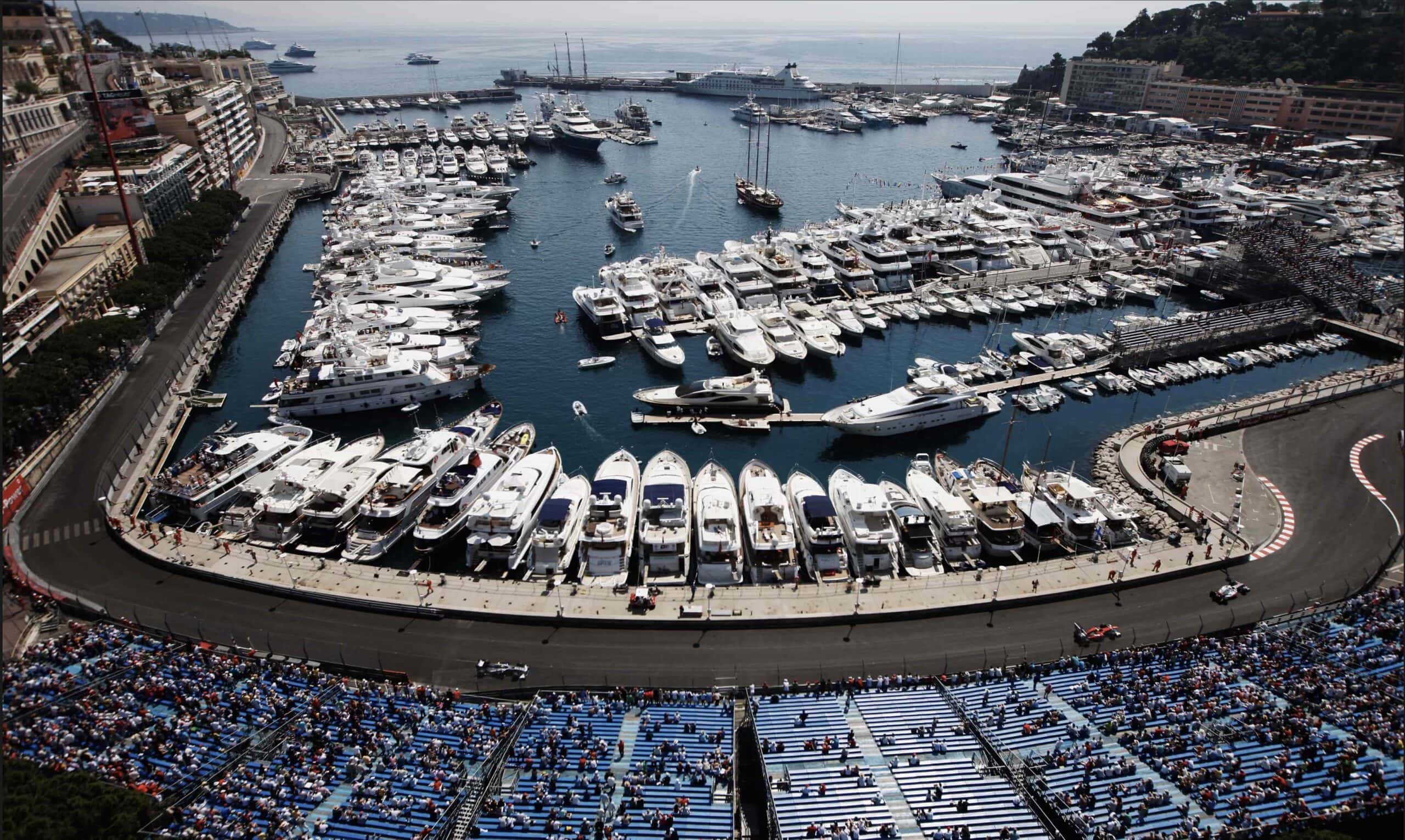
If Silverstone represents trackside immersion, Monaco embodies sophisticated glamour. The Pop Up Hotel’s offering there combines villas with a yacht positioned meters from the Swimming Pool Chicane, all connected by luxury tenders.
“Monaco demands a different kind of experience,” Sorrill explains. “The Grand Prix there is not just a race, it is a social season moment.” Rather than competing with Monaco’s spectacle, he focuses on what truly feels luxurious: “privacy, ease, beautiful design, exceptional service and access that feels personal rather than performative.”
His philosophy is simple: “Anyone can pour champagne. Not everyone can make Monaco feel effortless.”
The New Hospitality Landscape
Across the 2025 F1 calendar, three-day hospitality packages now range from $1,500 for basic circuit hospitality to over $15,000 for Formula 1 Paddock Club access. But these aren’t just premium grandstand seats; they represent entirely different ways to experience the sport.
The Formula 1 Paddock Club, available at every race, sits above the team garages, overlooking the starting grid, offering world-class cuisine, premium open bars, and pit-lane walks. The Champions Club by F1 Experiences provides luxury trackside lounges at prime viewing locations. Individual teams now offer their own hospitality suites within the Paddock Club, featuring garage tours, driver appearances, and exclusive merchandise.
For the ultra-elite, the F1 Garage – introduced in 2022 and expanded since – is literally housed inside a pit lane garage, with cuisine by Michelin-starred chefs and ultra-premium service.
Where Racing Meets Celebrity Culture
What surprises many newcomers to high-end F1 hospitality is how accessible and relaxed it feels. “Most people imagine Formula 1 hospitality as stuffy, corporate and slightly intimidating,” Sorrill observes. “The reality could not be further from that, at least not with us. Yes, we create a luxury environment, but it is relaxed, friendly, inclusive and genuinely fun.”
The experience includes moments money alone can’t typically buy. Sorrill recounts hosting two young brothers at this year’s British Grand Prix: “They were completely starstruck when Lando pulled up in his McLaren P1 for dinner at the hotel, but were too nervous to ask for an autograph. Our Maitre D spotted them from across the room, chatted quietly with his team and moments later arranged a relaxed introduction.”
The boys ended up having a long conversation with Lando Norris and meeting other drivers throughout the weekend. “Those boys will remember that weekend for the rest of their lives,” Sorrill reflects. “That is why what we do matters. It is not just beds and champagne. It is the moments that become part of someone’s story.”
The Demographics Driving Change
The busiest F1 hospitality race is now in Abu Dhabi, not at historic circuits like Silverstone or Spa, reflecting the sport’s successful expansion into new markets. The Middle East races, alongside newcomers like Miami and Las Vegas, have become hospitality powerhouses.
The modern F1 audience reflects these changes. “They love the sport, but they are also here for the lifestyle around it,” Sorrill notes. “They care about design, food, music, art, fitness and sustainability. They are discerning and recognise when thought and creativity have gone into an experience.”
Accessibility Through Luxury
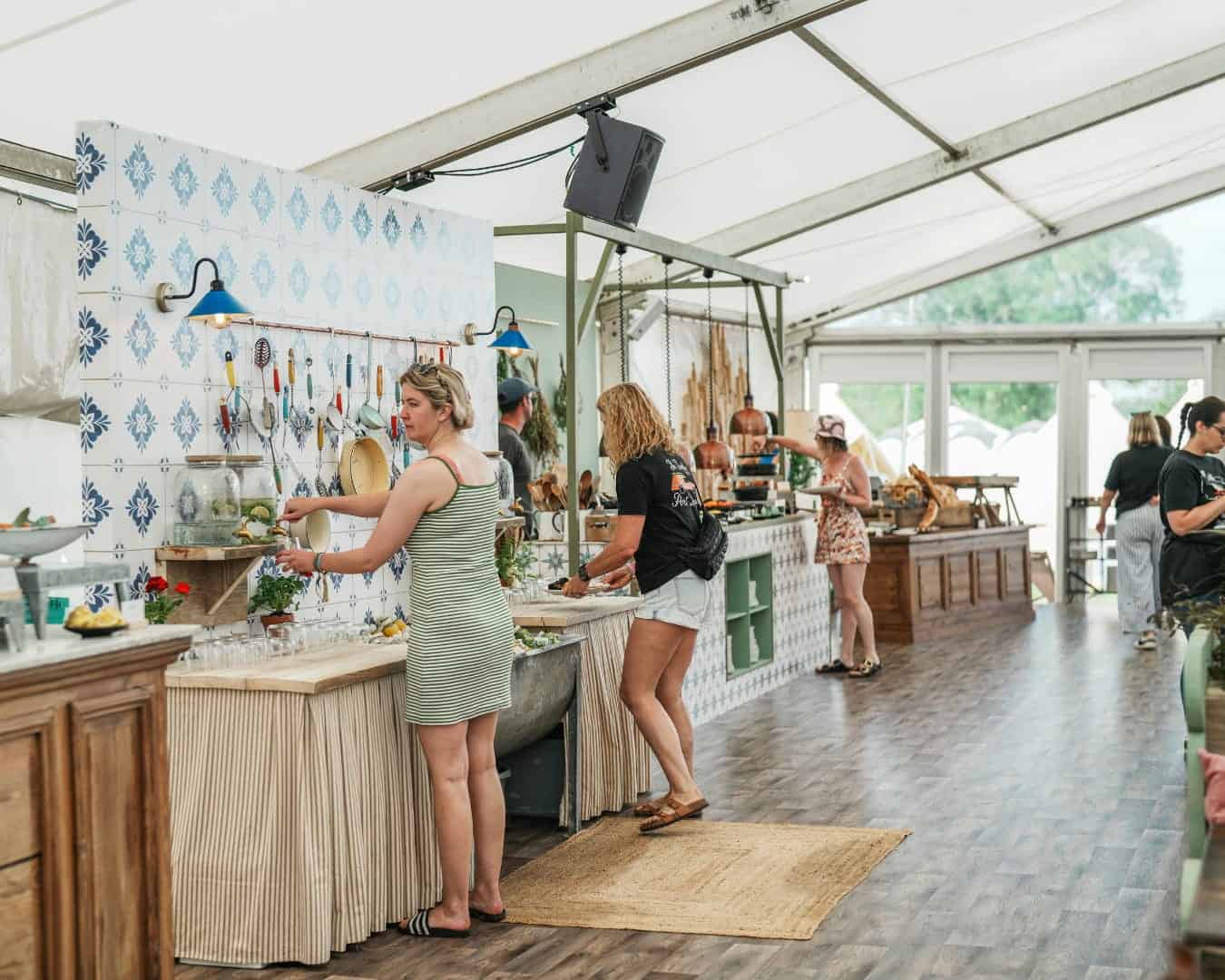
Surprisingly, this elevated experience isn’t as exclusive as it might seem. “Formula 1 weekends can be expensive, but they do not have to be,” Sorrill explains. “With a bit of digging, guests are often amazed to discover that staying with us, whether as a couple or sharing with friends, can be of incredible value considering the experience they will have. When you compare it to a converted shed behind someone’s house miles away from the circuit, it suddenly feels like a very smart choice.”
Another guest’s comment captures the democratizing aspect: “This is fabulous – I can chat F1 trackside over an early coffee, while my partner enjoys a lie in in our room, and our kids wander over to the paddock entrance to see the drivers arrive. This simply wasn’t possible before The Pop-Up Hotel existed. A diverse experience for the whole family, with each person able to enjoy the weekend in their own way.”
The Future of F1 Hospitality
Where is this all heading? Sorrill sees “even deeper immersion” on the horizon. “Guests do not want to orbit the event and leave the spectacle behind each day. They want to feel part of it.”
The key to memorable race weekend accommodation? “It is the moments you cannot buy a ticket for,” Sorrill says. “Having breakfast at the next table to Lando, enjoying a whiskey tasting with Jenson Button, hearing Hadjar share his personal story of becoming a driver, and experiencing these moments every day right from your hotel. Those stories are what people take home.”
The challenge is maintaining the raw energy that makes motorsport thrilling while providing luxury that enhances rather than dilutes the experience. “We treat the sport as the hero,” Sorrill explains. “The noise, the speed, the adrenaline, that is why people are here.”
His approach: “Luxury should elevate the experience and make it unforgettable, not overshadow it. Comfortable beds, thoughtful service, great food and beautiful spaces make the sport more enjoyable, not less. The goal is not to soften the experience. It is to make it unforgettable.”
A Cultural Shift
What we’re witnessing isn’t just evolution in hospitality; it’s a fundamental reimagining of what attending a Formula 1 race means. The modern F1 weekend is no longer just about watching cars race around a circuit. It’s about living inside the spectacle, becoming part of the story, and creating memories that transcend the sport itself.
As Sorrill puts it: “The most common reaction from first-time inner-track guests? Wide eyes, then laughter, followed by ‘How is this even allowed?!’ By the end of the weekend, it is usually ‘We are booking this again next year!’”
In an era where experience matters more than possessions, where fans want to feel the story rather than just watch it, Formula 1 has found the perfect answer: bring them inside. Not just to the grandstands or the paddock, but into the very heart of the weekend itself, where the line between spectator and participant begins to blur.
Where you stay has indeed become as crucial as the race itself, because in modern Formula 1, they’re no longer separate experiences. They’re one continuous, immersive journey into the world’s most glamorous motorsport.
Booking for 2026: Early Bird Is Live (Limited)
For a strictly limited number of rooms, we are guaranteeing 2025 prices for the 2026 British Grand Prix at Silverstone.
- Up to 30% saving vs. final 2026 rates
- Secure your room with just a 25% deposit
- Dynamic pricing: rates will rise over time, so book early to lock in the best price.
Pro tip: Sprint weekends sell out fast! If you want the inside track, an unrivalled vantage point, plus three days of must-watch sessions, grab your spot now.